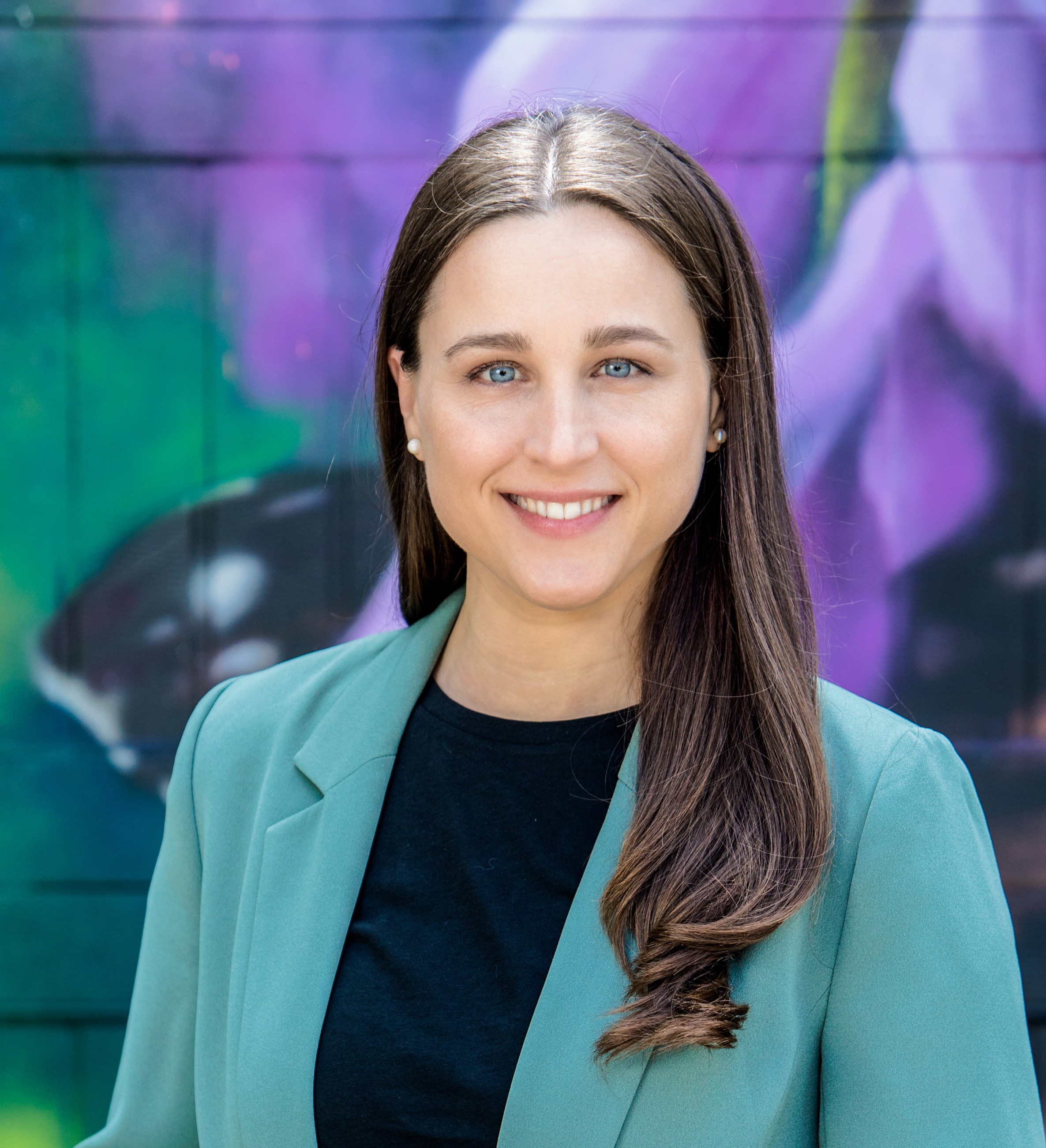
About
I’m a quantitative wildlife ecologist based in Toronto, currently working for an NSF project with the Urban Wildlife Institute at Lincoln Park Zoo. My work is about how wildlife adapt to human disturbance, how they move through fragmented habitats, where disease is more likely to spread, where conflict is more likely to happen and how landscape decisions shape all these processes. I started working on urban wildlife in 2019, before that I did a PhD on the cascading effects of animal behavior on plant population genetics.
Most of what I do now is quantitative and spatial, finding relationships between landscape/climatic context and animal behavior/community composition. I’ve built a camera trap monitoring program which ran between 2020 and 2022 in Toronto during my postdoc at U of T, which led to learning how to apply computer vision pipelines to process the images. I’ve also worked with telemetry data, surveys, and public-reported observations, integrating different datasets to get a better picture of the system. Now I mostly apply Bayesian models to camera trap data from partners in cities all over the continent. Our goal is to understand what’s driving the ecological patterns we see and suggest ways in which we can improve animal welfare and human-wildlife coexistence. I like to work on problems where the answer is useful for conservation and making the world a better place for wildlife. When I’m not working, I’m usually learning about electronic circuits and building hardware.